What Is the Role of Typography in Modern Web Design
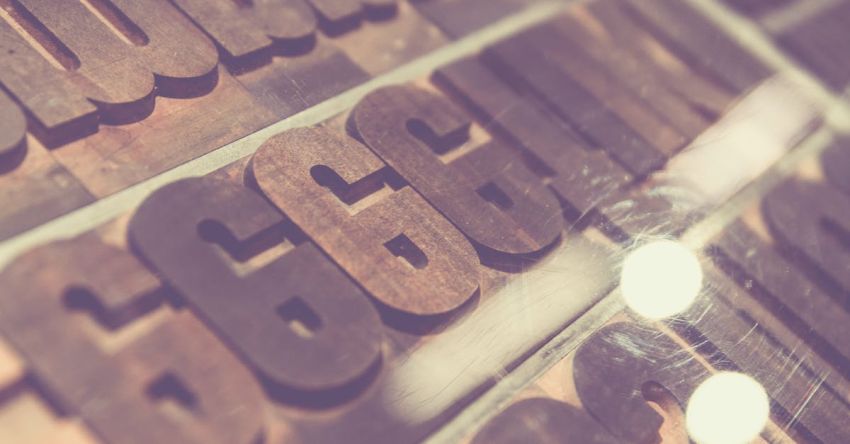
Typography plays a crucial role in modern web design, shaping the way content is perceived and consumed by users. In a digital landscape where attention spans are short and competition is fierce, the use of typography can make or break the success of a website. From conveying brand identity to improving readability, typography is a powerful tool that can significantly impact the overall user experience.
The Importance of Typography in Web Design
Typography is more than just choosing a font for a website; it encompasses various elements such as font size, spacing, alignment, and hierarchy. These elements work together to create a visual hierarchy that guides users through the content and helps them prioritize information. In the realm of web design, typography serves as a bridge between the website’s visual elements and its written content, enhancing the overall design and communication.
Setting the Tone for Your Brand
One of the primary roles of typography in modern web design is setting the tone for a brand. Fonts convey emotion and personality, allowing businesses to establish a unique identity and connect with their target audience. Whether a website aims to convey professionalism, creativity, or friendliness, the choice of typography plays a key role in shaping users’ perceptions of the brand.
Creating Visual Hierarchy
Effective typography helps create a visual hierarchy that guides users through the content and highlights key information. By using different font sizes, weights, and styles, designers can emphasize important elements such as headings, subheadings, and calls to action. A well-structured visual hierarchy improves readability and helps users quickly scan and digest the content, enhancing the overall user experience.
Improving Readability and Accessibility
In the fast-paced digital world, readability is paramount. The right typography choices can significantly impact how easily users can consume content on a website. Factors such as font size, line spacing, and contrast play a crucial role in ensuring that text is legible across various devices and screen sizes. Moreover, accessible typography design is essential for users with visual impairments, ensuring that everyone can access and engage with the content.
Enhancing User Experience
Typography directly influences the user experience of a website. Well-designed typography can evoke emotions, guide users’ attention, and create a seamless browsing experience. By using typography strategically, designers can evoke specific responses from users, leading to increased engagement and interaction with the content. Whether it’s through the use of bold headlines, engaging call-to-action buttons, or easy-to-read body text, typography plays a vital role in shaping the overall user experience.
Establishing Credibility and Trust
In the digital age, credibility and trust are essential for building strong relationships with users. Typography can play a significant role in establishing a website’s credibility and fostering trust with visitors. Consistent typography choices across a website create a sense of cohesion and professionalism, signaling to users that the brand is reliable and trustworthy. By paying attention to typography details such as font pairings, spacing, and alignment, designers can enhance the perceived credibility of a website.
In Conclusion
Typography is a powerful design element that plays a crucial role in modern web design. From setting the tone for a brand to improving readability and enhancing user experience, typography influences how users interact with a website. By understanding the importance of typography and leveraging its potential, designers can create visually engaging, user-friendly websites that leave a lasting impression on visitors.